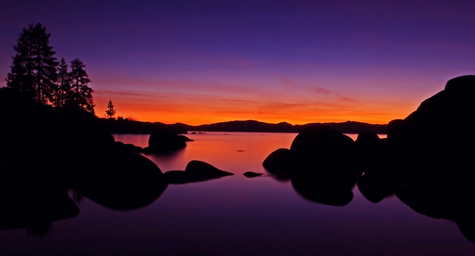
You can usually avoid noise problems by shooting at a low ISO (400 or lower for most cameras), but noise becomes a problem again when using a long exposure (anything longer than one second). [Read more…] about How to reduce noise for long exposures
PhotoNaturalist - nature photography tips and tutorials
nature photography tips and tutorials
You can usually avoid noise problems by shooting at a low ISO (400 or lower for most cameras), but noise becomes a problem again when using a long exposure (anything longer than one second). [Read more…] about How to reduce noise for long exposures
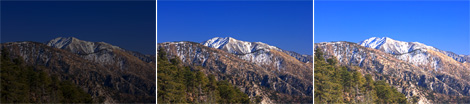
Fortunately, there’s another method that can help you get that perfect exposure, while still avoiding the world of full manual. This method is known as bracketing exposures. [Read more…] about What to do when auto exposure doesn’t work
 A few weeks ago, we asked you for nature photography questions, and today we’re happy to announce the release of our first podcast (hosted by Matthew Fletcher), where we answer some of these questions.
Thanks to all those who sent in questions, and although we don’t answer them all in this first episode, we may get a chance to answer them in a future episode (or write an article about it). So, stay tuned!
In our first episode we talk about the top 3 things to know before a trip to Yellowstone along with the top 3 things to bring, tips for getting sharper macro photos, and a critique of the photo below of a male Frigate Bird taken by Janet Atkinson. We also summarize a few news stories. [Read more…] about Announcing our first podcast episode!
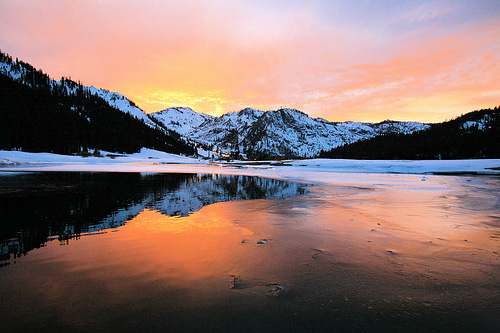
But, that all changes during the golden hours–those precious moments of warm sunlight that occur around sunrise and sunset.
During these times, the quality of light constantly changes as the Sun rises or sets and the light scatters more through the atmosphere. Add some clouds in there, and you’ll see some really drastic changes–in minutes or seconds.
To illustrate just how drastic the light can change during a sunrise, here’s a photo I took at the Alabama Hills (Eastern Sierra, California), about 15 minutes before sunrise: [Read more…] about Why timing is everything for landscape photography
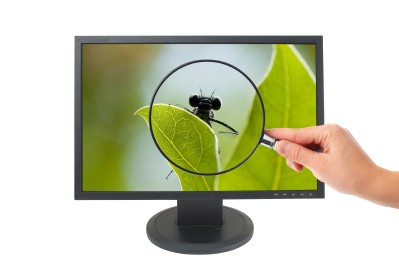
Photography allows you to capture a seemingly instant moment of time, and observe it forever. In a way, the camera is almost like a time stopper. This may even be one of the reasons you originally got into photography.
After you snap that photo, and check it out later on your computer, you probably inspect it pretty carefully, exploring each and every aspect of your image. Sometimes during these inspections, you’ll notice an intricate detail of your subject that you never noticed before. [Read more…] about Look for subtle features of your subject
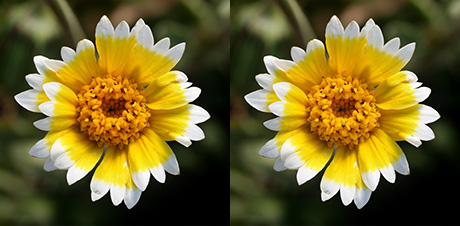
There are times, however, when that perfect exposure doesn’t exist. We’ve already explained how to fix blown-out highlights, but what if your flower photo suffers from shadows or underexposed areas?
You may think of taking two exposures in this case, but flowers bounce so much through the air that aligning these two exposures later will not be fun.
Fortunately, there’s a simple way to fix these underexposed areas of your photos, using Photoshop. Here’s how: [Read more…] about How to fix underexposed areas of your wildflower photos (using Photoshop)