
Have you ever taken two shots a few yards apart and been amazed at how different they looked? That slight difference in perspective is multiplied exponentially in aerial photography. [Read more…] about 5 Tips For Aerial Photography
PhotoNaturalist - nature photography tips and tutorials
nature photography tips and tutorials
Have you ever taken two shots a few yards apart and been amazed at how different they looked? That slight difference in perspective is multiplied exponentially in aerial photography. [Read more…] about 5 Tips For Aerial Photography
 Noise is that ugly discoloration that makes your photos look “grainy” (like in the image on the right, where the noise has been exaggerated to make it more clear). It’s one of the most annoying things you’ll have to deal with in digital images.
Although you’ll never get rid of noise completely, there are a few things you can do to reduce it so it’s barely noticeable by the viewer: [Read more…] about How to Reduce Noise in Your Photos
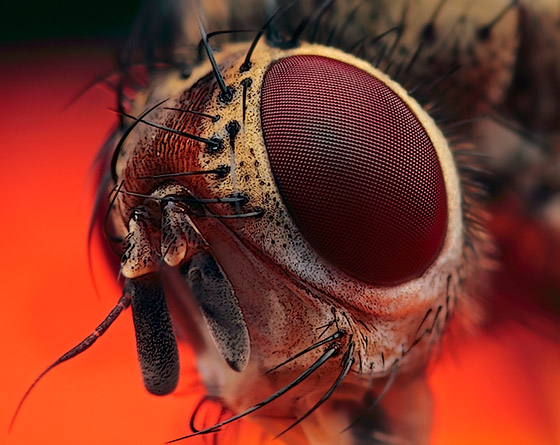
This is a guest post by Huub de Waard, an exceptional photographer who specializes in close-up shots of insects. After reading his post, be sure to check out more of his awesome photos at his website. And, if you’re also interested in writing a guest post here on PhotoNaturalist, please contact me, thanks! –Steve
One of the most popular books that I read during my childhood was Eric in the Land of the Insects, written by the Dutch author Godfried Bomans. In this humorous fantasy, nine-year-old Eric enters the landscape painting that hangs on his wall and he discovers a world of man-sized wasps, bees, butterflies and other insects that is stunningly similar to the world of humans. Once photography became a part of my life and I purchased the Canon extreme macro lens MP-E 65 mm f/2.8, which has combined with a 2x teleconverter a maximum magnification of 10:1, my world was populated with grasshoppers, spiders, snails, flies, dragonflies and butterflies—Eric’s world.
Magnification describes the relationship between the actual size of the subject and the size of its image on the sensor of the camera. Photographing a 3 cm (1.18 inch) long blue-tailed damselfly so that its image size is 1 cm (0.39 inch) on the sensor means that the magnification is 1/3 (1:3) life-size. Dividing the size of the subject’s image on the sensor by the actual size determines the magnification. At 1:1 life-size, the size of the subject on the sensor is as big as it is in real life. Macrophotography is restricted to magnifications in the order of 1:10 to 1:1 life-size. Microphotography is the extreme form of macrophotography, dedicated to the photography of small objects from life-size to modest enlargements of up to about 20. [Read more…] about Introduction to Insect Macro Photography (Part I)
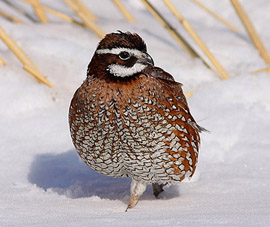
So, here are a few posts we’ve written about winter here at PhotoNaturalist, as well as some great articles from other blogs:
If you try shooting a snowy landscape with autoexposure, then you’ll almost always end up with gray snow in your photos. So, this post gives you a few ways to avoid that common problem. [Read more…] about 8 Tips and Tutorials For Winter Photography
In a previous post, I talked about the benefits of sharing your photos online. But, even after reading about these great benefits, you might be worried that someone will steal your photos if you post them online.
Well, luckily there’s a few things you can do to help protect your images:
[Read more…] about How To Protect Your Photos Online
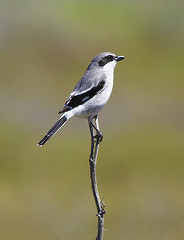
This helps the viewer immediately focus on the subject, but should that always be your goal?
When you choose not to isolate your subject against it’s background, you can reveal much more about your subject (such as it’s habitat, size, what it might be doing at the moment, etc).
Here are a few examples to help illustrate what I mean: [Read more…] about Should You Always Isolate Your Subject?