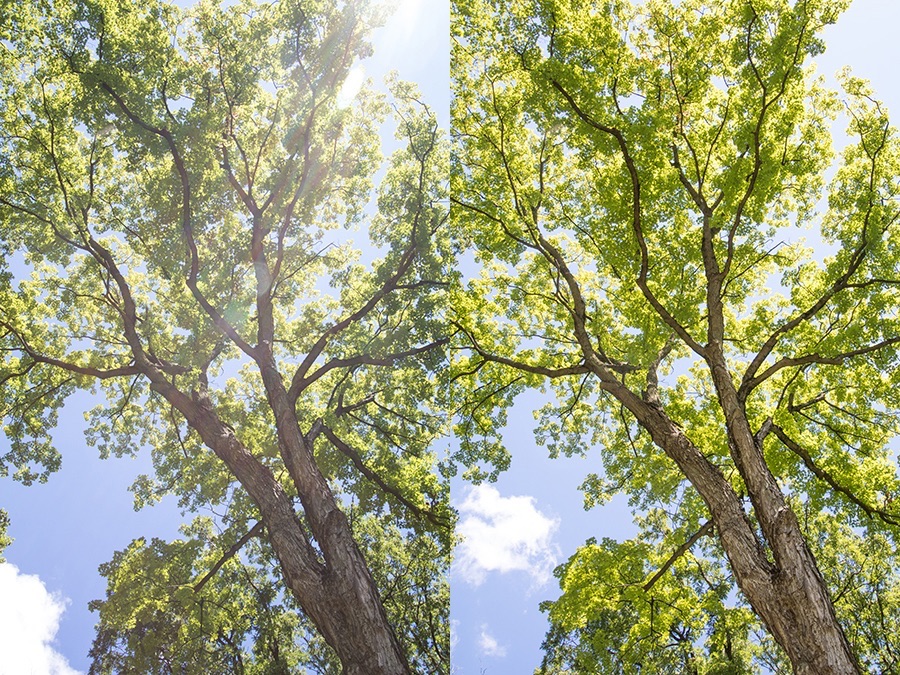
I recently acquired a Canon 10-22mm f/3.5-4.5 Lens to use with my Canon 80D body for tree photography. The lens is considered a wide zoom, but it doesn’t go so far as to give a fish-eye effect. It does capture a very wide angle of view, however— with its widest angle at 107°. As wonderful as this is for capturing the full width of a large area, it can also come with some tricky conditions to deal with. One of those is glare. Since I’m somewhat new to using this lens, I ran into this issue recently while photographing the crowns of large trees and pointing the camera directly upwards.
Here I am pointing my camera directly up towards the crown of the tree you see directly behind me. I wanted to capture as much of the trunk and crown as I could: [Read more…] about A Simple Trick To Eliminate Lens Flare
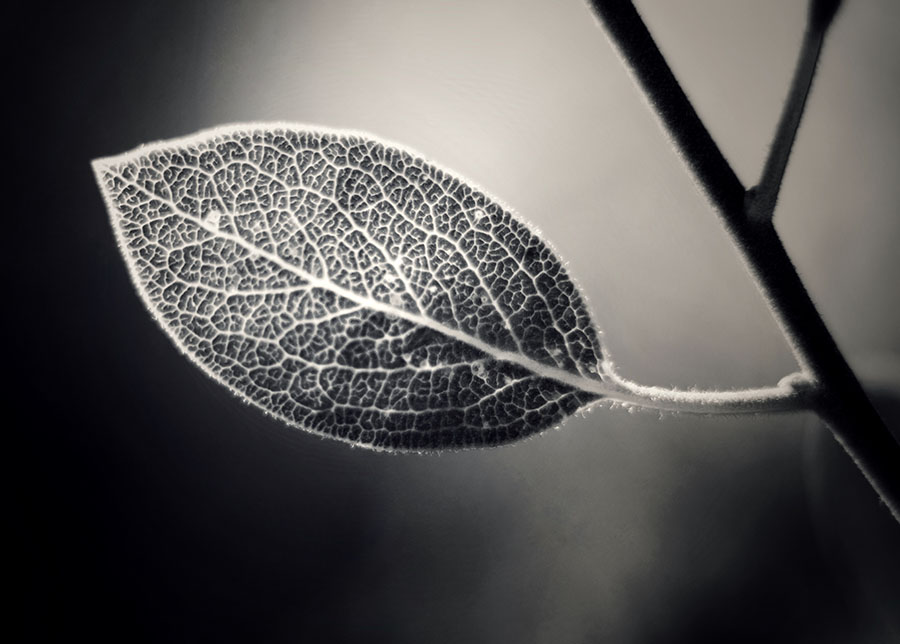 The more I photograph nature, the less I’ve been concerned about sharpness. It’s not out of laziness, but from the realization that relative sharpness is much more important than absolute sharpness.
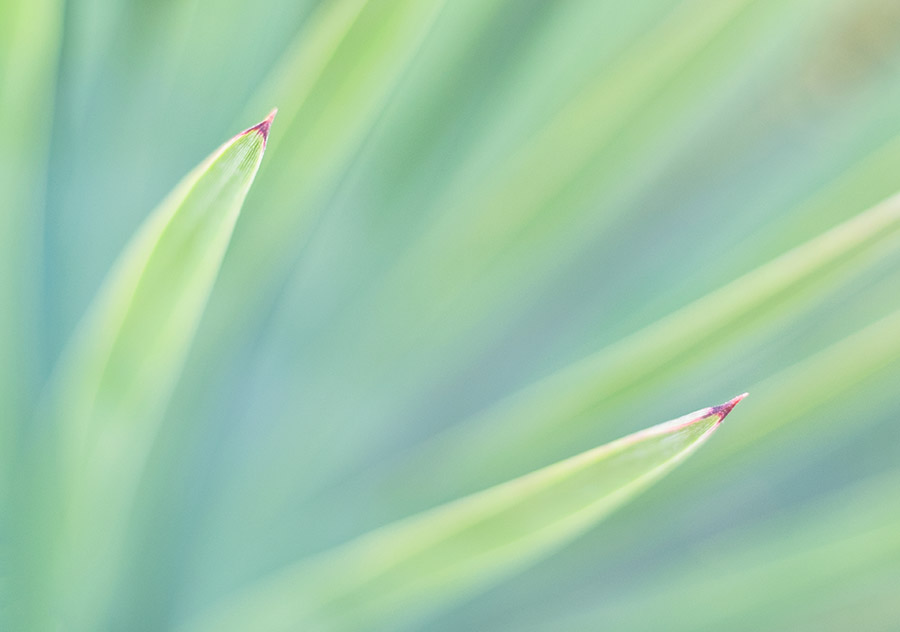 Close-up and macro photography is one of the most popular ways to capture the beauty of nature: whether it’s photographing tiny insects to show their amazing detail or just a simple close-up of a plant (like the Yucca leaves above).
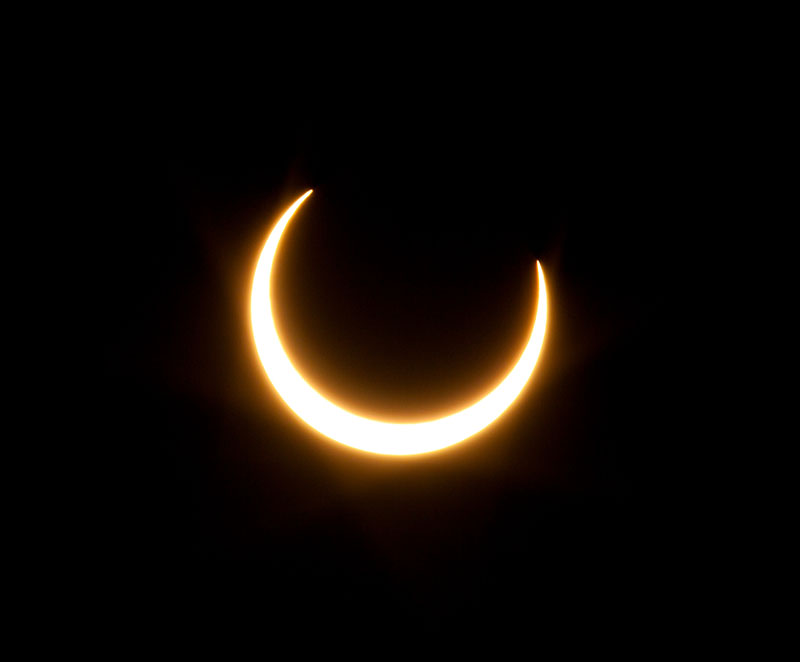 On Monday, August 21, there will be a Total Solar Eclipse, visible from North America. The next one visible from North America won’t be until 2024.
 What photo would you say is the one you’re least prepared to take? For me, it’s the very first photo on any given day. Have you ever gone out for a day of nature photography, regardless of your subject preference, and find that when you go to shoot that very first photo something is “off?” I’m not referring to an equipment checklist, I’m talking about a preparedness checklist.
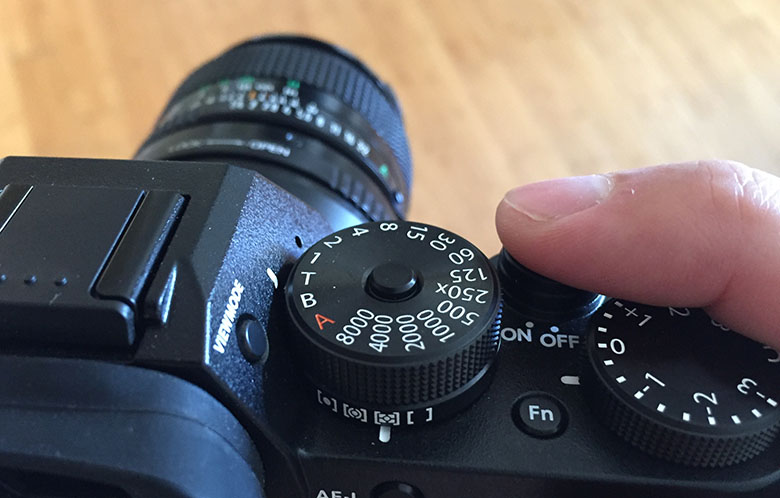 Pressing the shutter button to snap a photo seems like the most simple part of photography. I mean, you just “press the button” — right?