 As a software developer, one of the things I do every day is refactor code. I’ll write some code to solve a problem, test it out to make sure it works, and then I’ll take another look at the code and see if there’s a way to make it more clear or more efficient. Then, of course, I’ll test it again 😉
Writers do this too. First, they’ll write a basic draft of their story to cover the main ideas, and then they’ll read it over and over again to make the words flow better and to make their message stand out more.
But, what about photographers? Do you ever take a look at one of your photos and say something like, “wow, I really like this photo of mine, but I wish one thing was different”? It doesn’t have to be something big, it could even be something as simple as moving your camera one step to the left so a tree stands out more from the background. [Read more…] about Do You Refactor Your Photographs?
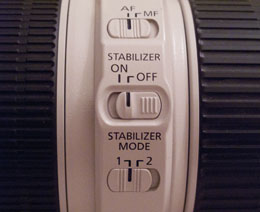 Many camera lenses come with some kind of lens stabilization technology. It’s usually called something different by every camera manufacturer (e.g. Nikon calls it “vibration reduction” and Canon calls it “image stabilization”), but they all have the same goal: helping to stabilize your lens.
 Ansel Adams once said, “A good photograph is knowing where to stand.” But, before you know where to stand, it’s important to understand a few concepts about perspective.
 As a photographer with a science background, I’ve always been on the lookout for a good book on the science behind photography. Although Ansel Adams got pretty technical in his excellent books, they left me wanting to know more about how cameras, lenses, and sensors work.
 It seems to be one of the biggest debates in digital photography–what’s better: RAW or JPEG? Who wins?